The Silent Loss: Why Family Stories Fade & How to Preserve Them
Explore why family narratives are lost over time and how new technology can preserve the personalities and wisdom of loved ones for future generations.
The Vanishing Echo: Why Our Ancestors' Stories Disappear
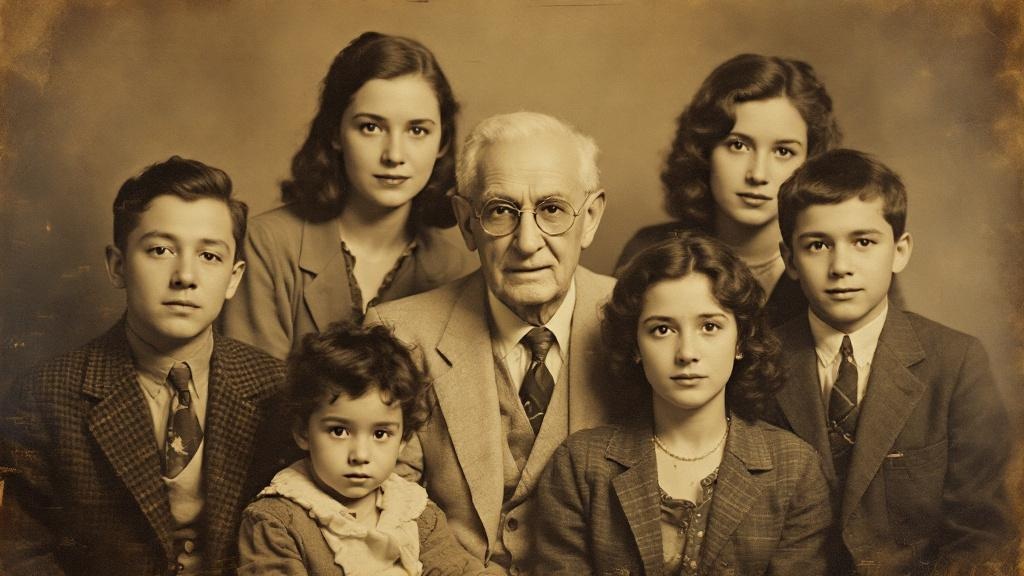
Every family is built on a foundation of stories. The cautionary tales, the humorous anecdotes, and the quiet words of wisdom from our elders shape our identities and connect us to our roots. Yet, this precious foundation is incredibly fragile. Within just a few generations, the vibrant personalities and life experiences of our ancestors can fade into little more than names on a family tree. This silent loss isn't just about forgotten facts; it's about the erosion of the personal narratives that give our family history its heart and soul.
The profound need for intergenerational connection is a core part of the human experience. We crave the wisdom and perspective of those who came before us. However, without a deliberate and effective method of memory preservation, the authentic voice of a loved one—their unique cadence, their laughter, their way of telling a story—is often the first thing to disappear. This leaves future generations with an incomplete picture, a historical record devoid of the personality that truly defined their ancestors.
Beyond the Shoebox: The Limits of Traditional Preservation

For decades, we have relied on physical artifacts to safeguard our legacy: shoeboxes filled with faded photos, dusty albums, and stacks of home video tapes. While these methods are born from love and the best intentions, they are ultimately passive and fragmented. A photograph captures a moment, but not the story behind the smile. A silent video shows an event, but doesn't share the inner thoughts or feelings of the people in it. These scattered pieces of our past are often stored away, inaccessible and silent, requiring future family members to become detectives to piece together a coherent narrative.
This traditional approach to memory preservation captures artifacts, but it struggles to capture personality. The challenge lies in moving from a static archive to a dynamic one. The essence of storytelling is interactive and alive, but our archives are often muted and one-dimensional. To truly honor a person's legacy, we must find ways to preserve not just what they looked like, but who they were: their sense of humor, their wisdom, and their unique voice. The shoebox is a time capsule, but it can't answer a question or share a story on its own.
Conversations Across Time: The Future of Family Legacy

Imagine your great-grandchild being able to ask about your life and hearing you answer in your own voice. This is no longer science fiction. Advances in technology are transforming how we approach family history and legacy. By organizing the digital footprints we already create—voice notes, videos, messages, and emails—we can build a living, interactive archive. This new frontier of memory preservation moves beyond simply storing data and instead focuses on recreating the essence of a person's personality and communication style.
Services are now emerging that can ingest this scattered digital media and create a conversational AI, an avatar that allows for a profound intergenerational connection. Future generations can engage in dynamic storytelling, asking specific questions and receiving answers sourced directly from their ancestor's recorded memories, delivered in their authentic voice. This technology ensures that a family's legacy is not just a collection of artifacts, but a living conversation that can continue for generations, making history deeply personal and accessible in a way we've never seen before.